
Table of Contents
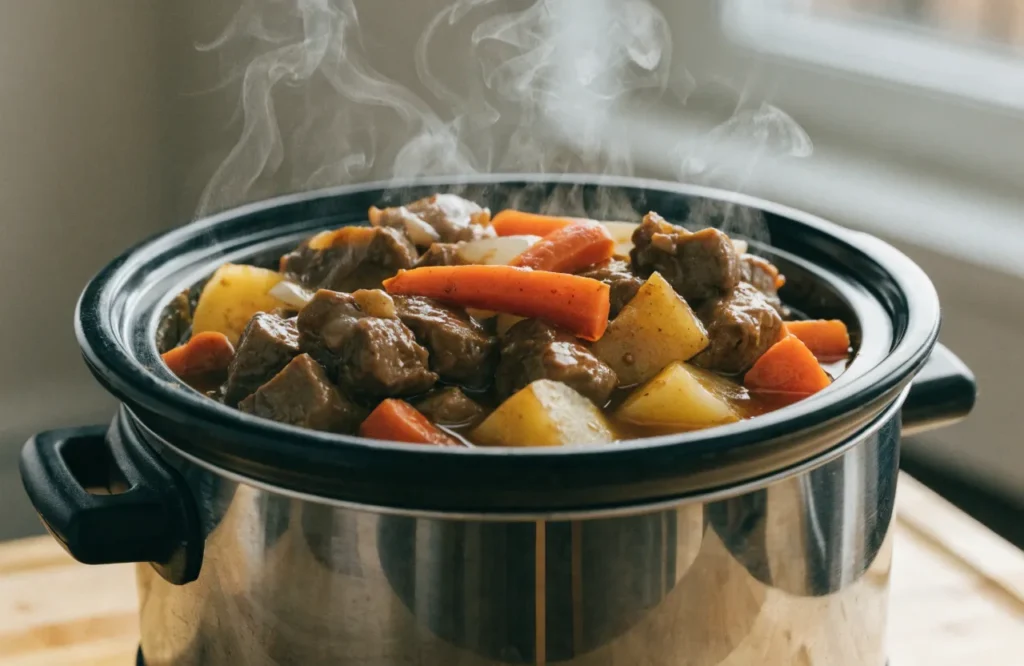
The slow cooker is the most forgiving cooking method you’ll ever use. Throw tough meat, vegetables, and liquid in a pot in the morning. Turn it on low. Come home 8 hours later to fall-apart tender meat and a house that smells incredible. No babysitting, no stirring, no risk of burning. It’s nearly impossible to mess up.
But slow cookers have rules. Use the wrong cuts and your meat is dry. Add too much liquid and your sauce is watery. Cook on high when you should use low and you lose all the benefits. This guide covers everything: which cuts work best, cooking times, searing vs not searing, and how to troubleshoot when things go wrong.
Best Cuts for Slow Cooking
Slow cookers are designed for tough, cheap cuts loaded with collagen. These cuts are terrible when cooked fast but transform into tender, flavorful meat when cooked low and slow. Lean, tender cuts dry out in a slow cooker — avoid them.
| Cut | Why It Works | Cooking Time (Low) | Notes |
| Chuck Roast | High collagen, marbling. Becomes fall-apart tender. | 8–10 hours | Best all-around slow cooker beef. |
| Beef Short Ribs | Tons of connective tissue. Fat renders beautifully. | 8–10 hours | Fall-off-the-bone tender. |
| Brisket | Massive collagen content. Needs long cooking. | 10–12 hours | Very forgiving. Hard to overcook. |
| Chicken Thighs (bone-in) | Dark meat = fat + collagen. Stays moist. | 6–8 hours | Better than breast. Won’t dry out. |
| Stew Meat (beef) | Pre-cut cubes from chuck. Convenient. | 7–9 hours | Perfect for stews and chili. |
| Lamb Shanks | Collagen-rich. Classic slow cooker cut. | 8–10 hours | Incredible flavor when slow-cooked. |
Avoid These Cuts
- Chicken breast: Too lean. Dries out and shreds into dry strings.
- Beef tenderloin/sirloin: Tender cuts don’t benefit from slow cooking. They overcook and dry out.
- Fish: Cooks too fast. Falls apart. Use other methods for fish.
- Ground meat: Already tender. Add at the END of cooking (last 30 minutes) or brown separately first.
Low vs High: Which Setting to Use
Low (200°F) = 8–10 hours. High (300°F) = 4–6 hours. Both work, but Low is almost always better. Here’s why:
When to Use High
When you’re short on time. High setting works for 4–6 hour cooks when you can’t do 8–10 hours. Chicken thighs handle High better than beef — use High for chicken if needed. For beef, Low is worth the wait.
| Setting | Temperature | Time | Best For |
| Low | ~200°F | 8–10 hours | Beef roasts, short ribs, brisket, tough cuts |
| High | ~300°F | 4–6 hours | Chicken thighs, when short on time |
| Warm | ~165°F | Holding only | Keeps finished food warm. Don’t cook on Warm. |
How Much Liquid to Add
Slow cookers trap moisture — nothing evaporates. The meat and vegetables release liquid as they cook. If you add too much liquid at the start, you end up with a watery, flavorless sauce. If you add too little, meat can dry out on top.
The Rule
Liquid should come halfway up the meat, not cover it completely. For a 3-lb roast, use 1–2 cups of liquid. For stew with vegetables, use 2–3 cups. Start with less — you can always add more at the end if needed. You can’t remove excess liquid without also losing flavor.
Best Liquids
- Beef broth/stock: Adds rich, savory flavor. Best all-around choice.
- Tomatoes (crushed/diced): Acidic, sweet, adds body to sauce. Italian-style dishes.
- Chicken broth: Mild, neutral. Good for chicken and lighter dishes.
- Water: Last resort. Adds no flavor. Use broth instead whenever possible.
Should You Sear Meat Before Slow Cooking?
This is the most debated slow cooker question. The answer: optional but recommended if you have time.
Why Sear First
Searing creates fond — the browned bits that add deep, caramelized flavor. That fond dissolves into the cooking liquid and flavors everything. Seared meat also has better texture on the outside. The Maillard reaction creates flavor you can’t get from slow cooking alone.
Why Skip Searing
The whole point of slow cooking is convenience. If searing means you won’t use your slow cooker because it’s too much work, skip it. Unseared slow cooker meat is still delicious — just slightly less complex in flavor. For a weeknight dinner, skip the sear. For a special meal, take the extra 10 minutes to sear.
How to Sear for Slow Cooker
Pat meat dry. Heat 1 tablespoon oil in a skillet over high heat. Sear each side 2–3 minutes until deep brown. Don’t cook through — just brown the outside. Transfer directly to slow cooker.scrape up the fond, and pour that into the slow cooker too. That’s where the flavor is.
Slow Cooker Cooking Times
| Meat | Cut Size | Low Setting | High Setting | Done When |
| Chuck Roast | 3–4 lbs | 8–10 hours | 5–6 hours | Falls apart with fork, 190–200°F |
| Beef Short Ribs | Individual ribs | 8–10 hours | 5–6 hours | Meat pulls off bone easily |
| Brisket | 4–5 lbs | 10–12 hours | 6–8 hours | Slices cleanly, 195–205°F |
| Beef Stew Meat | 2-inch cubes | 7–9 hours | 4–5 hours | Fork-tender, not dry |
| Chicken Thighs | Bone-in | 6–8 hours | 3–4 hours | Pulls apart easily, 165°F |
| Chicken Breast | Whole | 4–5 hours (risky) | 2–3 hours (risky) | Dry and overcooked easily |
| Lamb Shanks | Whole shanks | 8–10 hours | 5–6 hours | Falling off bone, 190°F+ |
How to Know It’s Done
Fork test: Insert a fork into the thickest part. Twist gently. If the meat pulls apart easily with no resistance, it’s done. Temperature: Use a thermometer. Slow-cooked beef and lamb should reach 190–205°F for fall-apart tenderness. Chicken should reach 165°F minimum (170°F is fine for dark meat).
Common Slow Cooker Mistakes
- Opening the lid to check.
Every time you lift the lid, heat escapes. The slow cooker takes 15–20 minutes to recover temperature. If you check 3 times during cooking, you’ve added an hour to cook time. Trust the timer. Check only at the very end when you think it’s done.
- Filling it too full or too empty.
Slow cookers work best when filled ½ to ¾ full. Too full and heat doesn’t circulate properly. Too empty and the small amount of food overcooks. If your recipe doesn’t fill the slow cooker properly, adjust quantities or use a smaller cooker.
- Adding too much liquid.
The #1 mistake. Liquid doesn’t evaporate in a slow cooker. If you add as much liquid as you would for stovetop cooking, you end up with soup. Use half the liquid you think you need. The meat and vegetables release moisture as they cook.
- Using lean cuts.
Chicken breast, sirloin — all terrible in a slow cooker. They dry out because they have no collagen or fat to keep them moist. Use tough, fatty cuts only. If a cut is already tender, don’t slow cook it.
- Cooking on High when you should use Low.
High setting is faster but produces inferior results for beef and lamb. The collagen doesn’t break down as completely. Use Low whenever you have the time. The difference in tenderness is noticeable.
- Not browning aromatics.
Raw onions and garlic go into a slow cooker and come out… still kind of raw-tasting. If you have time, sauté onions and garlic in a pan for 5 minutes before adding to the slow cooker. The flavor difference is huge. Or add them in the last 2 hours instead of at the start.
Slow Cooker Tips and Tricks
Layer Ingredients Properly
Root vegetables (potatoes, carrots) go on the bottom. They take longest to cook and benefit from direct contact with the hot ceramic. Meat goes on top. This ensures everything finishes at the same time.
Add Dairy at the End
Milk, cream, sour cream, and cheese curdle if cooked for 8 hours. Add them in the last 30 minutes of cooking. Stir in, let warm through, and serve immediately.
Thicken Sauce at the End
Slow cooker sauces are often thin. Three ways to thicken: (1) Remove lid for the last hour — some liquid evaporates. (2) Mix 2 tablespoons cornstarch with 3 tablespoons cold water, stir into sauce, cook on High for 15 minutes. (3) Remove meat, pour sauce into a pot on the stove, and reduce over high heat for 10 minutes.
Fresh Herbs at the End
Sturdy herbs (thyme, rosemary, bay leaves) can cook the full time. Delicate herbs (parsley, cilantro, basil) lose all flavor if cooked for hours. Add them in the last 15 minutes or sprinkle on top when serving.
Use Liners for Easy Cleanup
Slow cooker liners ($3 for a pack) make cleanup instant. Line the pot, cook, throw away the liner. No scrubbing. Worth every penny if you use your slow cooker often.
Frequently Asked Questions
Can I put frozen meat in a slow cooker?
No. For food safety, always thaw meat or poultry before adding it to a slow cooker. Frozen meat can take too long to reach a safe temperature and may spend too much time in the danger zone. Thaw meat overnight in the refrigerator before slow cooking.
Why is my meat dry after 8 hours?
You used a lean cut (chicken breast, tenderloin, sirloin). Lean meat dries out in slow cookers no matter what you do. Or you cooked it too long even for a tough cut — past 10 hours, even chuck roast can dry out. Use fattier cuts and check at the minimum time.
Can I cook on Low for 12+ hours?
Depends on the cut. Brisket and very large roasts can go 12 hours. Chicken and smaller cuts will overcook. If you need a 12+ hour cook (like overnight), use a programmable slow cooker that switches to Warm automatically. Or use a timer outlet that turns the cooker off after 10 hours.
Do I need to add liquid if using a sauce?
If your sauce is liquid (like pasta sauce or salsa), that counts as your liquid. Don’t add extra broth or water. If your sauce is thick (like barbecue sauce), add ½ cup of broth or water so the bottom doesn’t burn.
Can I use my slow cooker to reheat food?
Not recommended. Slow cookers take too long to heat food through — it spends hours in the danger zone. Reheat on the stove or in the microwave to 165°F, then transfer to slow cooker on Warm to keep hot.
Why does my chicken have a weird texture?
Chicken breast gets stringy and mushy in slow cookers. Use thighs instead. If you must use breast, cook on Low for only 4–5 hours and pull it immediately when it hits 160°F. Longer than that and the texture suffers.
Set It and Forget It
Slow cookers are nearly foolproof if you follow three rules: use tough cuts with collagen, don’t add too much liquid, and cook on Low for 8–10 hours. That’s it. The slow cooker does everything else. No babysitting, no stirring, no risk of burning. You come home to tender meat and a house that smells incredible.
Start with a chuck roast. Season it, sear it if you have time, throw it in the slow cooker with onions, carrots, and 2 cups of beef broth. Cook on Low for 9 hours. Come home, shred the meat with two forks, and serve. It’s that easy. Once you nail one slow cooker meal, you’ll use it weekly.
Related Guides:
- How to Braise Meat — Slow cooker is braising on autopilot.
- Beef Internal Temperature Guide — Slow-cooked beef reaches 190–205°F for tenderness.
- How to Season Meat Properly — Season before slow cooking for best results.
- Ground Meat Guide — Add ground meat in the last 30 minutes or brown first.